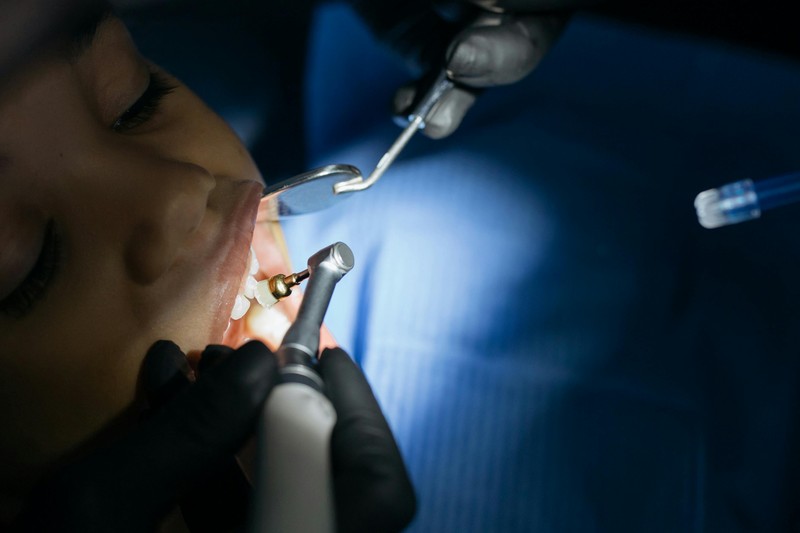
Why Family Dental Check-Ups Matter
A family dental check-up is more than a quick look at teeth. It is a structured visit designed to monitor oral health, prevent future problems, and help every patient—from young children to adults and first-time visitors—feel informed and comfortable. For families, regular appointments support healthy habits early on, while for adults they help identify concerns such as gum disease, tooth wear, cavities, or bite issues before they become more complex and costly to treat.
At a family dental clinic, the goal is to make care accessible for different ages and needs in one setting. This can be especially helpful for parents managing busy schedules, children who benefit from seeing dental care as a normal routine, and first-time patients who may feel uncertain about what happens during an appointment. A calm, patient-focused environment can make a meaningful difference in reducing stress and building trust over time.
For patients visiting a dental clinic in Rugeley, including those near 39 Heron St, Rugeley, GB, understanding what to expect at a family dental check-up can help turn anxiety into confidence. Knowing the process in advance often makes the experience feel more predictable, practical, and manageable.
What Usually Happens at a Family Dental Check-Up
Although each patient’s needs differ, a standard family dental check-up often includes several core steps. These are designed to assess oral health thoroughly while keeping the appointment efficient and comfortable.
1. Medical and dental history review
The visit often begins with questions about general health, medications, allergies, previous dental treatment, and any current concerns. This step is important because oral health is closely connected to overall health. For example, conditions such as diabetes, dry mouth, pregnancy-related changes, or certain medications can affect gums and teeth.
2. Discussion of symptoms or concerns
Patients may be asked whether they have experienced tooth sensitivity, pain, bleeding gums, jaw discomfort, bad breath, loose teeth, or concerns about appearance. Parents may also be asked about thumb-sucking, teething, brushing routines, or dietary habits for children.
3. Oral examination
The dentist will examine the teeth, gums, tongue, cheeks, bite, and general oral tissues. This helps identify early signs of cavities, gum inflammation, enamel wear, plaque buildup, misalignment, mouth ulcers, or other issues that may need monitoring or treatment.
4. X-rays when needed
Dental X-rays are not always required at every visit, but they can be important for detecting problems not visible during a visual exam, such as decay between teeth, bone loss, impacted teeth, or infection. For children, X-rays may also help track growth and development.
5. Professional cleaning
Many routine appointments include a scale and polish to remove plaque and tartar, followed by polishing to help smooth the tooth surfaces. This supports gum health and can make teeth feel fresher and cleaner.
6. Advice and treatment planning
At the end of the appointment, the dentist may explain any findings, recommend home care adjustments, and discuss whether follow-up treatment is needed. This may range from no treatment at all to fillings, orthodontic assessment, restorative care, cosmetic options, or emergency follow-up if an urgent issue is discovered.
What Kids Can Expect During the Visit
For children, the first few dental visits shape how they feel about oral care for years to come. A positive approach can help them see check-ups as routine rather than intimidating. During a child’s appointment, the dental team may use simple language, friendly explanations, and a gentle pace to build familiarity.
Children are often introduced to the chair, the small mirror, and other basic tools before the examination begins. This can help reduce fear of the unknown. The dentist may count teeth, check how they are developing, and look for early signs of decay or bite problems. If a cleaning is included, it is usually explained in a child-friendly way.
Parents should expect guidance on topics such as:
• Brushing technique and how much supervision a child needs
• Fluoride use and cavity prevention
• Healthy snack choices and sugar exposure
• Dummy use, thumb-sucking, or mouth breathing
• The timing of adult teeth coming in
• Whether orthodontic monitoring may be helpful later
There is often a tradeoff between doing everything in one visit and pacing treatment to match a child’s comfort level. While efficiency can be convenient, a slower and more supportive approach may lead to better long-term cooperation and less dental anxiety.
What Parents Should Know Before and During the Appointment
Parents play an important role in shaping a child’s dental experience. Preparing children with calm, simple language usually works better than offering too many details or using words that suggest pain or fear. Saying that the dentist will “check and clean your teeth” is often more reassuring than giving a highly technical explanation.
During the appointment, parents may need to balance reassurance with allowing the dental team to communicate directly with the child. This can sometimes be challenging. Some children feel safest with a parent nearby, while others respond better when encouraged to engage independently. There is no one-size-fits-all approach, and a good family dental clinic will adapt based on the child’s age, personality, and confidence level.
Parents should also be ready to discuss practical habits at home. Questions about brushing twice daily, flossing, sugary drinks, bedtime bottles, or sports mouthguards are not about judgment—they help the dentist provide more relevant and personalised advice.
What First-Time Patients Can Expect
First-time patients often have a different set of concerns. Some worry about discomfort, some feel embarrassed about the condition of their teeth, and others simply do not know how long the visit will take or whether treatment will happen immediately. In most cases, the first appointment focuses on assessment, discussion, and planning rather than rushing into treatment.
A first visit to a dental clinic may feel more detailed than a standard routine recall because the team is gathering baseline information. Patients can expect questions about past dental experiences, anxieties, symptoms, and goals. Some may want help with pain relief, while others are more interested in cosmetic dentistry, orthodontics, restorative treatments, or preventive care.
One challenge for first-time patients is balancing immediate concerns with long-term oral health planning. For example, someone may want whiter teeth quickly, but untreated decay or gum disease should generally be addressed first. Similarly, a patient focused on straightening teeth may need a full oral health review before orthodontic treatment begins. These decisions involve practical tradeoffs between speed, comfort, budget, and clinical priorities.
The Role of Preventive Care in a Dental Check-Up
Preventive care is one of the most valuable parts of a family dental check-up. It aims to stop minor issues from becoming major ones. In many cases, prevention saves time, discomfort, and expense over the long term.
Preventive recommendations may include:
• Routine check-ups at intervals based on risk level
• Professional cleanings
• Fluoride treatments for children or higher-risk adults
• Fissure sealants for children’s back teeth
• Early orthodontic monitoring
• Night guards for teeth grinding
• Dietary guidance to reduce decay risk
• Better brushing and flossing techniques
However, prevention also involves tradeoffs. More frequent reviews may improve monitoring and early detection, but they require more time and financial commitment. Less frequent visits may feel more convenient in the short term, but they can increase the risk of undetected problems developing between appointments. The most appropriate schedule depends on age, medical history, past dental issues, home care, and lifestyle factors.
Balancing Comfort, Thoroughness, and Efficiency
One of the key factors that impacts what to expect at a family dental check-up is how the clinic balances comfort, thoroughness, and efficiency. These goals are all important, but they can sometimes pull in different directions.
Comfort matters because relaxed patients are more likely to return regularly, ask questions openly, and follow through with care. A calm environment, clear communication, and gentle treatment style can support this.
Thoroughness matters because some issues are not obvious without careful examination and, when appropriate, imaging. A rushed visit may miss early signs of disease or fail to address patient concerns properly.
Efficiency matters because families often need practical appointment times and streamlined visits. Parents may be coordinating school runs, work schedules, and multiple family members on the same day.
The challenge is that increasing one factor can affect the others. A very detailed consultation may provide more information but take longer. A very fast appointment may be convenient but feel impersonal. A very relaxed pace may be ideal for anxious patients but harder to fit into busy routines. The most effective approach is usually flexible care that adapts to the patient, rather than applying the same model to everyone.
How Dental Check-Ups Support Different Treatment Needs
Routine check-ups are often associated mainly with cleaning and cavity checks, but they also serve as a gateway to broader oral health services. A family dental clinic may identify the need for treatment in several areas during a check-up, including:
Cosmetic dentistry
Patients may raise concerns about staining, chipped teeth, uneven spacing, or smile appearance. A check-up helps determine whether cosmetic options are appropriate and whether underlying oral health issues should be addressed first.
Orthodontics
Children, teenagers, and adults may show signs of crowding, bite problems, or spacing issues. A check-up can help identify whether orthodontic assessment is recommended and the right timing for it.
Restorative treatments
Fillings, crowns, repairs, or replacement of damaged teeth may be discussed if the examination finds decay, fractures, or wear. Early detection can make restorative care simpler and less invasive.
Emergency dental care
Sometimes routine visits reveal urgent problems that the patient did not realise were serious, such as infection, advanced decay, or cracked teeth. In these situations, a prompt treatment plan becomes a priority.
This highlights another important tradeoff: some patients attend expecting only preventive care, but the check-up may uncover needs that require more immediate attention. While this can be unexpected, it is also one of the main benefits of regular assessment.
Common Challenges Families and Patients Face
Even with good intentions, attending regular dental check-ups can involve obstacles. Understanding these challenges can help families and first-time patients make more informed decisions.
Dental anxiety
Fear is common among both children and adults. Anxiety can lead to delayed appointments, which may allow preventable issues to progress. A supportive environment and clear communication are key to addressing this challenge.
Time pressures
Families often struggle to coordinate appointments around work, school, childcare, and other commitments. Combining visits at one family dental clinic can help, though it may still require advance planning.
Cost concerns
Patients sometimes postpone check-ups because they worry that treatment will be recommended. Yet avoiding review can result in more complex needs later. There is a real tradeoff between short-term savings and long-term oral health costs.
Uncertainty about frequency
Not every patient needs the same recall interval. Some benefit from check-ups every six months, while others may need more or less frequent monitoring. Personal risk factors should guide this decision.
Different needs within one family
A toddler, a teenager with orthodontic concerns, and an adult with restorative needs may all require different approaches. A family-focused clinic must balance consistency with personalised care.
How to Prepare for a Smooth Dental Check-Up
A little preparation can make the appointment easier for everyone involved. For children, choose a time of day when they are usually well rested and cooperative. For first-time patients, writing down symptoms or questions beforehand can help ensure important concerns are discussed.
Helpful preparation steps include:
• Bring a list of medications and relevant medical history
• Note any pain, sensitivity, bleeding, or concerns
• Arrive a little early if forms are needed
• Avoid presenting the visit as something frightening
• Encourage children to ask questions
• Be honest about anxiety so the dental team can respond appropriately
Preparation does not eliminate all uncertainty, but it improves communication and helps the dental team tailor care more effectively.
The Importance of Environment in the Dental Experience
The physical and emotional atmosphere of a dental clinic can strongly influence patient comfort. A serene setting, patient-focused communication, and a welcoming approach can make routine care feel more manageable, especially for anxious children, nervous adults, and people returning to dentistry after a long gap.
This is not only about comfort in the moment. A positive environment can affect future decision-making by making patients more likely to attend regularly, seek help sooner, and follow preventive advice. In contrast, an overly rushed or impersonal experience may discourage consistent care, even if the clinical work is technically sound.
That is why many patients value a dental clinic that combines comprehensive oral health services with attention to calm surroundings and individual needs. For those seeking care in the Rugeley area, this can be an important factor alongside treatment range, convenience, and clinical expertise.
Making Informed Decisions About Family Dental Care
Choosing how to approach family dental check-ups involves more than booking the nearest appointment. Patients and parents often weigh several factors at once: convenience, comfort, cost, scope of services, and the ability of the clinic to care for different ages and needs over time.
The best decisions usually come from considering both immediate and long-term impact. A quick visit may solve today’s concern, but a preventive, relationship-based approach may offer better oral health outcomes over the years. A child-friendly appointment may take extra patience now, but it can shape a lifetime of better attitudes toward dental care. A thorough first-time assessment may feel detailed, but it creates a clearer roadmap for future treatment and maintenance.
For families and individuals looking for a dental clinic that offers check-ups, cleanings, cosmetic dentistry, orthodontics, restorative treatments, and emergency dental care, the value lies not only in the services available but in how those services are delivered. A calm, comprehensive, and patient-focused experience can support better decision-making and healthier outcomes for children, parents, and first-time patients alike.
Final Thoughts
Understanding what to expect at a family dental check-up: a friendly guide for kids, parents, and first-time patients helps remove uncertainty and encourages proactive oral care. A check-up is not simply a routine task—it is an opportunity to detect problems early, strengthen healthy habits, ask questions, and plan treatment in a way that fits the needs of each individual.
Whether the patient is a child learning about brushing, a parent managing care for the whole family, or a first-time visitor returning to the dentist after years away, the most effective dental experience is one that balances prevention, comfort, communication, and clinical thoroughness. At Serenity Dental Care, this approach reflects the wider goal of supporting long-term dental health and wellness in a setting designed to help patients feel at ease from the moment they arrive.
About Business
Serenity Dental Care📍 39 Heron St, Rugeley, GB
Learn more about us at: Serenitydentalcare.co.uk