Why a Family Dental Visit Matters
A visit to a family dental clinic is about far more than checking for cavities. For children, parents, and nervous patients, it can shape long-term attitudes toward oral health, confidence, and overall wellbeing. A positive appointment helps patients feel informed, respected, and more willing to return for routine care. At the same time, a well-organised dental clinic visit supports prevention, early diagnosis, and timely treatment, which often reduces the need for more complex procedures later on.
At 39 Heron St, Rugeley, GB, patients looking for a calm and patient-focused setting often want to know exactly what will happen before they walk through the door. That is especially true for young children, busy parents coordinating care for the household, and adults who may feel anxious because of past experiences, fear of discomfort, or uncertainty about treatment. Understanding what to expect can make the appointment feel more manageable and more productive.
Before the Appointment: Preparing for a Smoother Experience
Preparation plays a major role in how comfortable and efficient a family dental visit will be. In most cases, patients can expect to complete medical history forms, share information about medications, allergies, symptoms, and previous dental treatment, and discuss any concerns in advance. This information helps the dental team tailor care to the patient’s age, oral health status, and comfort level.
For parents, preparation often includes practical decisions such as whether to schedule siblings together, how to explain the appointment to a child, and when to choose a time that fits school, naps, and work commitments. There is a tradeoff here: booking multiple family members on the same day can be convenient, but it may also feel rushed if one child becomes unsettled or if a parent wants more one-to-one time with the dentist. On the other hand, spacing out appointments may allow more attention for each person but requires more travel and planning.
Nervous patients may benefit from writing down questions beforehand. Common topics include how long the appointment will take, whether x-rays are needed, what sensations to expect during a cleaning, and what options are available if anxiety becomes a barrier to treatment. Asking these questions early can reduce uncertainty and support better decision-making.
What Happens When You Arrive
When patients arrive at a dental clinic in Rugeley, the first impression often sets the tone for the rest of the visit. A welcoming reception process, clear communication, and a calm waiting area can be especially important for children and anxious adults. Even small details such as check-in efficiency, staff friendliness, and a quiet environment can influence how safe and relaxed a patient feels.
There is an important balance to strike here. Some clinics focus heavily on speed and throughput, which can reduce waiting times but may feel impersonal. Others prioritise a slower, more reassuring approach that supports patient comfort but may sometimes lengthen appointments. For many families, the ideal experience combines both: organised scheduling with enough time for questions, explanations, and reassurance.
The Initial Conversation: Why It Is More Important Than Many Patients Realise
One of the most valuable parts of a family dental visit is often the conversation before the examination begins. The dentist or hygienist may ask about tooth sensitivity, pain, bleeding gums, habits such as thumb-sucking or teeth grinding, past dental fears, cosmetic concerns, orthodontic questions, and home care routines. This discussion helps build a fuller picture of the patient’s needs.
For children, the dental team may explain tools and steps in age-appropriate language. For parents, this is a chance to ask about brushing techniques, diet, fluoride, sealants, and developmental milestones such as tooth eruption and bite alignment. For nervous patients, this conversation can be the moment to agree on comfort signals, take breaks if needed, and discuss ways to make the visit feel more predictable.
The challenge is that not every patient wants the same level of detail. Some people feel reassured by step-by-step explanations, while others become more anxious if they hear too much in advance. A patient-focused approach means adjusting communication style to the person in the chair rather than using the same script for everyone.
The Dental Examination: What It Usually Includes
A routine family dental visit typically includes an examination of the teeth, gums, bite, and overall oral tissues. The dentist may look for cavities, signs of gum disease, wear from grinding, plaque build-up, jaw issues, and changes in soft tissues such as the tongue or cheeks. Depending on the patient’s age and dental history, x-rays may also be recommended to detect concerns that are not visible during a visual exam.
For children, the exam may include monitoring how baby teeth are falling out, whether adult teeth are coming in properly, and whether there are early signs that orthodontics might be needed in the future. For adults, the examination may focus more on restoration needs, gum health, old fillings, crowns, cosmetic concerns, or bite problems.
There are tradeoffs involved in deciding how comprehensive the assessment should be at each visit. More detailed diagnostics can improve early detection, but they may also increase cost, appointment length, or anxiety for some patients. Fewer diagnostics may feel simpler in the short term, but they can risk missing developing problems. The best approach generally depends on individual risk factors, symptoms, age, and dental history.
Professional Cleaning: What Patients Can Expect
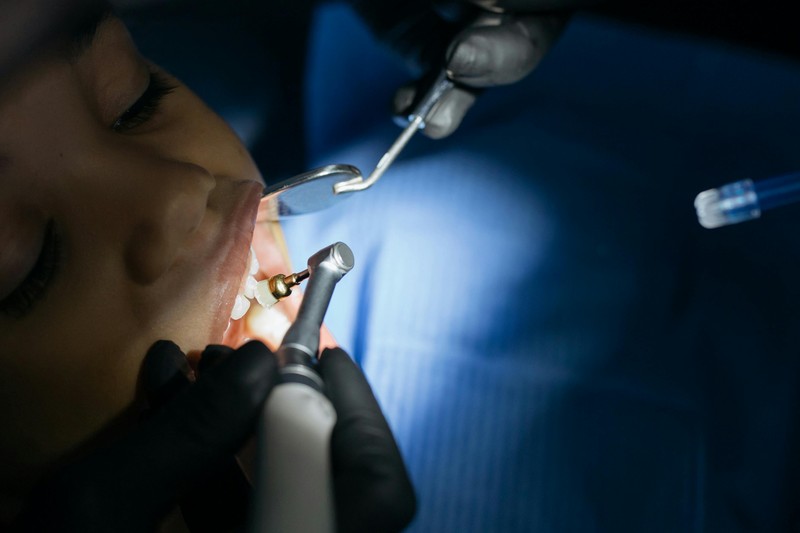
Many appointments also include a professional cleaning, often carried out by a dental hygienist. This may involve removing plaque and tartar, polishing the teeth, and discussing oral hygiene habits at home. Patients may also receive advice about brushing technique, flossing, interdental cleaning tools, and product choices that suit their needs.
For children, the cleaning may be presented in a friendly and simple way to encourage cooperation and confidence. For adults with sensitivity or inflammation, the hygienist may adapt the cleaning process to improve comfort. Nervous patients often benefit from knowing that they can request pauses, ask what comes next, or raise concerns at any time.
One challenge is balancing thoroughness with comfort. A very gentle cleaning may feel easier for sensitive patients, but if significant tartar has built up, a more intensive approach may be necessary for long-term gum health. In these cases, good communication becomes essential. When patients understand why a procedure is recommended and what the alternatives are, they are usually better equipped to make informed decisions.
X-Rays and Preventive Screening: Benefits and Considerations
X-rays are a routine part of care for many patients, but they are not always needed at every visit. They may be used to identify hidden decay, monitor tooth development, assess bone levels, or plan treatment. Preventive screening may also include checking for signs of gum disease, oral cancer, or bite issues.
The main advantage of preventive screening is early detection. Problems found early are often easier, less invasive, and less costly to treat. The tradeoff is that some patients may worry about additional costs, time, or the need for imaging. A transparent discussion about why an x-ray or screening is recommended helps patients weigh the benefits against any concerns.
Parents may especially appreciate understanding why a child does or does not need x-rays at a certain stage. Nervous patients may want reassurance about the process itself. In all cases, thoughtful decision-making should consider oral health needs, risk level, and the likely impact on future treatment.
For Kids: Making the Dental Visit Feel Safe and Understandable
Children often respond best when a dental visit feels predictable, friendly, and free from pressure. A family dental setting may use simple explanations, positive reinforcement, and a gradual introduction to equipment and procedures. The goal is not only to complete the current visit but also to help the child build trust for future care.
Parents play a key role here. Children tend to notice adult emotions, so a calm and matter-of-fact approach can be helpful. It is often useful to describe the dentist as someone who checks and helps keep teeth healthy, rather than someone who fixes pain. Timing also matters. Appointments when a child is rested and fed are usually easier than those booked during nap times or after a stressful school day.
There is a balance between encouraging cooperation and respecting a child’s limits. Pushing too hard to complete every step may create negative associations, but avoiding all unfamiliar experiences can delay important care. A flexible, child-sensitive approach often produces the best long-term outcome.
For Parents: Questions Worth Asking During the Visit
Parents often leave a dental appointment with more confidence when they ask practical, specific questions. These may include how often a child should brush, when to begin flossing, whether thumb-sucking is affecting bite development, what snacks are better for teeth, whether fluoride is recommended, and how to spot early signs of trouble at home.
It can also be helpful to ask about long-term planning. For example, is the child at higher risk of decay? Are sealants appropriate? Is there any sign that orthodontics may be useful later? Are there habits that could affect jaw development? These discussions support preventive care and help families make more confident choices.
The challenge for parents is often information overload. A thorough visit may provide a lot of advice at once. Taking notes, asking for written instructions, or focusing on two or three key changes can make the guidance easier to apply at home.
For Nervous Patients: Managing Dental Anxiety with Realistic Expectations
Dental anxiety is common, and it affects both adults and children. Some patients worry about pain, some feel uneasy about lack of control, and others carry difficult memories from past treatment. A supportive dental clinic recognises that anxiety is not simply about fear of procedures; it can also be about communication, trust, embarrassment, or sensory discomfort.
Practical strategies may include discussing the appointment in advance, agreeing on hand signals to pause treatment, listening to music, taking breaks, or scheduling shorter visits to build confidence. For some people, simply knowing what will happen step by step makes a meaningful difference. For others, fewer details and a calmer pace may work better.
There is no one-size-fits-all method. A highly clinical and efficiency-driven approach may work well for patients who want speed and minimal discussion, but it may not suit those who need emotional reassurance. A slower, more comfort-led approach can improve trust, but it may also require more time and planning. The key factor is matching the approach to the patient’s actual needs rather than making assumptions.
When Treatment Is Recommended: Understanding Your Options
Not every family dental visit ends with “everything looks fine.” Sometimes the dentist may recommend follow-up care, such as fillings, gum treatment, restorative treatments, cosmetic improvements, orthodontic assessment, or monitoring a developing issue. In some cases, urgent symptoms may require emergency dental care.
This is where decision-making becomes especially important. Patients often need to balance several factors: urgency, cost, aesthetics, durability, comfort, and the likely impact of delaying treatment. For example, a small cavity may be monitored in some circumstances, but early treatment could prevent a bigger problem later. A cosmetic concern may not be medically urgent, but it could still matter greatly to the patient’s confidence and quality of life.
The challenge lies in weighing immediate priorities against long-term outcomes. Faster treatment may prevent worsening damage, but patients may need time to consider options or budget. A good dental discussion should help patients understand both the clinical reasons for treatment and the consequences of different choices.
Balancing Comfort, Prevention, Time, and Cost
One of the central themes in any family dental visit is balance. Patients and clinicians often need to weigh several priorities at once:
Comfort vs thoroughness: A gentle pace supports nervous patients, but a full assessment is still important for accurate diagnosis.
Prevention vs immediate convenience: Preventive care may take time now, but it can reduce the risk of more extensive treatment later.
Family scheduling vs individual attention: Combining appointments is efficient, but separate visits may better suit some children or anxious adults.
Short-term cost vs long-term value: Delaying treatment may seem more affordable at first, but it can lead to larger problems if conditions worsen.
These tradeoffs do not have a single correct answer. What matters is making decisions with clear information, realistic expectations, and attention to the likely impact on oral health and wellbeing.
The Role of Environment in a Positive Dental Experience
The environment of a family dental clinic can influence patient experience more than many people expect. A calm setting, clear communication, patient-centred care, and respect for individual concerns all affect how comfortable a person feels. This is particularly relevant for children forming their first impressions of dental care and adults who may already be hesitant.
However, creating a serene environment is not just about appearance. It must also be supported by practical systems: thoughtful scheduling, attentive staff, transparent treatment discussions, and flexibility when patients need extra reassurance. A polished waiting room means little if communication feels rushed or concerns are dismissed.
That is why many patients seek clinics that combine clinical range with a calmer atmosphere. Services such as routine cleanings, check-ups, cosmetic dentistry, orthodontics, restorative care, and emergency support are important, but so is the way those services are delivered.
How to Get the Most from a Family Dental Visit
Patients often have a better experience when they take an active role in the visit. Useful steps include arriving with updated medical information, mentioning concerns early, asking for clarification if something is unclear, and discussing any anxiety honestly. Parents can help by preparing children in simple, positive language and by sharing relevant habits or symptoms with the dental team.
It is also worth focusing on the practical next steps after the visit. That might include booking a follow-up, improving brushing technique, adjusting diet habits, monitoring sensitivity, or planning treatment. A successful appointment is not just one that finishes smoothly; it is one that helps patients make informed choices after they leave.
Final Thoughts on What to Expect
A family dental visit should ideally be informative, respectful, and suited to the needs of the person in the chair, whether that is a child attending for the first time, a parent organising care for the household, or a nervous patient returning after years away. The best outcomes often come from combining prevention, clear communication, comfort, and timely treatment decisions.
For those seeking care at 39 Heron St, Rugeley, GB, understanding the process in advance can reduce uncertainty and help make the visit more manageable. A well-run dental clinic appointment is not only about identifying problems; it is about building trust, supporting oral health, and considering the real-life impact of each decision on children, parents, and anxious patients alike.
In that sense, a friendly guide to what to expect is not just reassuring. It is a practical tool for better dental choices, better communication, and better long-term health.
About Business
Serenity Dental Care📍 39 Heron St, Rugeley, GB
Learn more about us at: Serenitydentalcare.co.uk