Why Regular Family Dental Check-Ups Matter
A family dental check-up is about much more than “having your teeth cleaned.” It is a structured visit designed to monitor oral health, prevent problems, identify concerns early, and support long-term wellness for children, teens, adults, and older patients. At a modern dental clinic, routine examinations can help detect gum disease, tooth decay, bite concerns, worn restorations, and even signs of health issues that may show up in the mouth first.
For families in and around 39 Heron St, Rugeley, GB, understanding what happens during a visit can make appointments feel more predictable and less stressful. A calm, patient-focused environment such as the one offered at Serenity Dental Care can also make a meaningful difference, especially for nervous patients or children attending for the first time.
A key factor in successful preventive care is consistency. Some people only visit when they are in pain, but this approach often means treatment becomes more complex, time-consuming, and costly. In contrast, regular check-ups allow a dentist to track small changes over time and recommend action before a problem becomes urgent.
What Usually Happens at a Family Dental Check-Up?
Although each patient’s needs are different, most appointments follow a similar sequence. Knowing the process in advance can help patients feel more prepared and ask better questions.
1. Medical and dental history review
The visit often begins with a review of any changes in health, medications, allergies, pregnancy status, symptoms, or previous dental treatment. This step matters because oral health does not exist in isolation. Conditions such as diabetes, dry mouth, acid reflux, and certain medications can affect teeth and gums.
2. Oral examination
The dentist checks the teeth, gums, tongue, bite, soft tissues, and jaw. They may look for decay, gum inflammation, plaque buildup, recession, wear, grinding, loose fillings, and signs of oral cancer. In children, they may also monitor tooth eruption and jaw development.
3. Professional cleaning
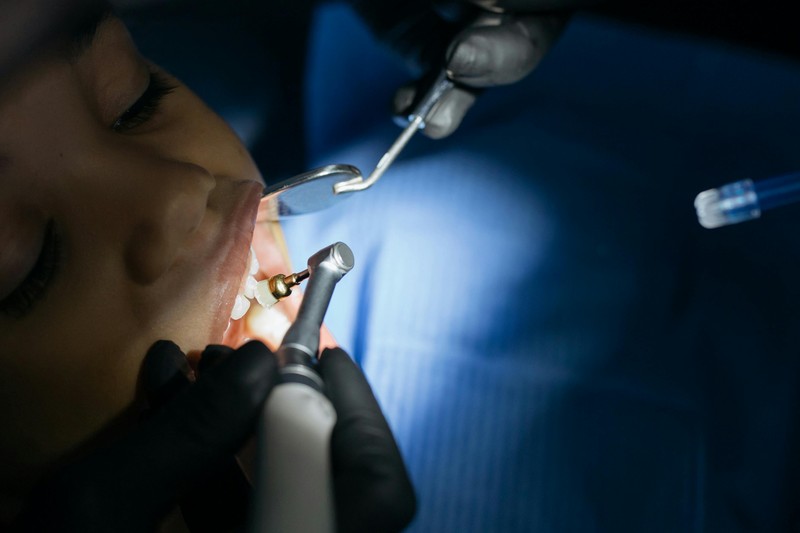
A hygienist or dentist removes plaque and tartar that cannot be fully eliminated with brushing and flossing alone. This is followed by polishing and, in some cases, guidance on home care techniques. Cleanings support fresher breath, healthier gums, and a cleaner surface that makes it easier to spot issues.
4. X-rays if needed
Dental X-rays are used selectively to detect concerns that are not visible during a visual exam, such as decay between teeth, bone loss, hidden infections, impacted teeth, or problems beneath old restorations.
5. Discussion and treatment planning
The appointment usually ends with a summary of findings, recommended next steps, and advice for maintaining oral health at home. This is also the best time to ask questions about sensitivity, cosmetic goals, orthodontics, or treatment priorities.
What to Expect During a Dental Cleaning
Professional dental cleanings are one of the most familiar parts of a check-up, but they are often misunderstood. A cleaning is preventive rather than purely cosmetic. Even people who brush carefully can develop hardened tartar in difficult-to-reach areas, especially around the gumline and between teeth.
During a cleaning, the clinician typically removes plaque and tartar with hand instruments or ultrasonic tools, then polishes the teeth to help reduce surface staining and leave them feeling smooth. Some patients may also receive fluoride, depending on risk level, age, and current oral health needs.
There is a tradeoff in how aggressively a cleaning is approached. A standard preventive cleaning works well for patients with healthy gums and manageable buildup. However, if gum disease is present, a deeper periodontal cleaning may be needed. While more thorough treatment can better address infection and inflammation, it may require more time, greater sensitivity management, and follow-up maintenance. The right approach depends on diagnosis rather than preference alone.
For children, cleanings are often shorter and include coaching on brushing habits, sugar exposure, and how to care for erupting adult teeth. For adults, the focus may shift toward gum health, restorations, tooth wear, and lifestyle factors such as coffee, smoking, or clenching.
Understanding Dental X-Rays: Why They Are Sometimes Necessary
X-rays are an important diagnostic tool in family dentistry, but they are not always taken at every visit. Their use depends on age, symptoms, risk factors, and clinical findings. Patients who are prone to cavities, have a history of dental work, or show signs of gum disease may need them more often than those with stable oral health.
The value of dental X-rays lies in what they can reveal beneath the surface. A tooth may appear normal on the outside while decay is progressing between teeth or near an old filling. Likewise, bone changes from gum disease may not be obvious without imaging. In children and teenagers, X-rays can help monitor developing teeth and identify spacing or eruption issues.
There is a practical balance to consider. On one hand, limiting unnecessary imaging is sensible and aligns with responsible care. On the other hand, avoiding X-rays when they are clinically indicated can delay diagnosis and lead to more invasive treatment later. The goal is not more imaging, but appropriate imaging at the right time.
Patients often ask about safety. Modern dental X-rays use low radiation doses, and clinics follow protocols to minimise exposure. If you are pregnant, think you may be pregnant, or have concerns about frequency, it is always worth discussing this before imaging begins.
Common Questions Families Ask at a Dental Check-Up
How often should we come in?
Many patients benefit from a check-up every six months, but this is not a rule for everyone. Some people need more frequent visits because of gum disease, high cavity risk, braces, medical conditions, or a history of complex dental work. Others may have intervals adjusted based on long-term stability.
Will the appointment hurt?
A routine exam and cleaning are usually well tolerated. If gums are inflamed or there is heavy buildup, some tenderness can occur. Let the team know if you have sensitivity, anxiety, or a strong gag reflex so they can adapt the appointment for comfort.
What if my child is nervous?
This is very common. Children generally respond well when the visit is explained simply and positively. A patient-focused dental clinic may use gentle communication, show-and-tell techniques, and shorter appointments to build confidence over time.
Why do my gums bleed when I brush?
Bleeding is often a sign of gum inflammation rather than a sign to stop brushing. Plaque buildup near the gumline can irritate the tissues, and a professional cleaning combined with better home care may help. Persistent bleeding should always be assessed.
Do baby teeth really matter if they fall out anyway?
Yes. Baby teeth help children chew, speak clearly, and hold space for permanent teeth. Untreated decay in baby teeth can still cause pain, infection, and problems for developing adult teeth.
Can a check-up identify cosmetic options too?
Yes. While the main goal is oral health, check-ups are also a useful time to ask about whitening, straightening, veneers, bonding, or replacing worn restorations. Cosmetic decisions should ideally be made after underlying health issues are addressed.
The Tradeoffs Between Prevention, Time, Cost, and Comfort
One of the most important realities in dentistry is that decisions often involve tradeoffs. Patients and clinicians regularly balance prevention, budget, timing, comfort, and long-term outcomes.
Prevention versus reactive care
Preventive visits require time and upfront expense, even when nothing appears to be wrong. However, skipping regular care can allow hidden issues to worsen, leading to more involved and more expensive treatment later. The short-term convenience of delaying appointments can conflict with long-term oral health goals.
Immediate comfort versus thorough diagnosis
Some patients prefer to keep appointments brief or avoid X-rays, especially if they feel well. But a shorter, simpler visit may miss early-stage problems. A more comprehensive appointment can feel less convenient in the moment while providing better information for future decisions.
Monitoring versus early intervention
Not every issue requires immediate treatment. A small area of enamel change or slight tooth wear may simply be observed over time. This conservative approach can avoid unnecessary procedures, but it relies on consistent follow-up. If patients do not return regularly, opportunities for safe monitoring may be lost.
Home care versus clinical treatment
Good brushing, flossing, and diet habits are essential, but they do not fully replace professional care. At the same time, professional cleanings alone are not enough if daily home routines are poor. The best outcomes usually come from combining both approaches rather than relying too heavily on one.
Challenges Different Patients May Face
Family dentistry serves a broad range of ages and needs, which means there is no one-size-fits-all check-up. Different groups may face different challenges.
Young children
Children may struggle with unfamiliar sounds, keeping still, or understanding instructions. The challenge is to gather enough clinical information without overwhelming them. A gentle first experience can shape dental attitudes for years.
Teenagers
Teens may need support around orthodontic care, sports mouthguards, diet choices, and oral hygiene consistency. They can look independent while still needing practical coaching.
Busy adults
Adults often delay check-ups because of work, caregiving responsibilities, or cost concerns. Unfortunately, postponement tends to increase the chance that routine care turns into restorative or emergency treatment.
Older adults
Ageing can bring dry mouth, gum recession, worn teeth, root decay, and maintenance needs around crowns, bridges, implants, or dentures. General health conditions and medications also play a larger role.
Anxious patients
Dental fear can be a major barrier to care. For these patients, the challenge is not just treatment itself but making the decision to attend at all. A calming environment, clear explanations, and a slower pace can help reduce avoidance.
Why the Setting and Approach of a Dental Clinic Matter
The quality of a family dental check-up is shaped not only by clinical tools and professional training, but also by the atmosphere in which care is delivered. A clinic that prioritises calm communication, patient education, and comfort can make it easier for people to return regularly, ask questions honestly, and follow through with treatment plans.
This is particularly relevant for a dental clinic serving families, where patients may include a child having a first exam, a parent managing a busy schedule, and an older adult with restorative needs. The ideal approach balances efficiency with personal attention. If appointments feel rushed, patients may leave confused. If they are overly complex or poorly coordinated, families may struggle with time and accessibility.
For patients visiting 39 Heron St, Rugeley, GB, practical considerations such as convenience, continuity of care, and clear communication are just as important as clinical quality. Good decision-making in dentistry depends on patients understanding their options, risks, and likely outcomes.
How to Prepare for Your Next Appointment
A little preparation can make a family dental check-up smoother and more productive.
Bring a list of current medications, note any symptoms such as pain or sensitivity, and be ready to mention changes in health since your last visit. If a child is attending, it can help to explain the appointment positively and avoid language that suggests fear or pain. If you have dental anxiety, say so early. This gives the team a chance to adjust communication and pacing.
It is also useful to think about your goals. Are you mainly focused on prevention? Are you worried about bleeding gums, bad breath, or a broken filling? Are you interested in orthodontics or cosmetic improvements? A check-up is a good time to discuss all of these topics, even if treatment is not needed immediately.
Making Informed Decisions About Oral Health
The most effective family dental care is not based on guesswork or habit alone. It comes from informed decisions that take into account clinical findings, personal priorities, cost, comfort, and long-term impact. A routine check-up may seem simple, but it plays a central role in this process by providing the information needed to plan wisely.
For some patients, the best decision may be to continue regular preventive care with no major changes. For others, a check-up may reveal the need for fillings, gum treatment, orthodontic evaluation, cosmetic planning, or restorative work. The challenge is balancing immediate concerns with future consequences. Ignoring a small issue may save time now but increase the likelihood of discomfort and more extensive treatment later.
A thoughtful, patient-focused approach helps families understand these tradeoffs rather than feeling pressured into decisions. That is one reason why a calm and comprehensive setting can be so valuable. In family dentistry, the goal is not only to treat problems, but to build confidence, support prevention, and create a sustainable path toward better oral health.
Final Thoughts on What to Expect
If you have ever wondered what to expect at your family dental check-up, the answer is reassuringly straightforward: an assessment of your oral health, a professional cleaning where appropriate, X-rays when clinically needed, and a chance to ask questions about your teeth, gums, bite, and future care. While every patient is different, the purpose remains the same: early detection, prevention, and support for lifelong dental wellness.
When families understand the value of cleanings, the role of X-rays, and the reasoning behind recommendations, they are better equipped to make confident choices. Whether the visit is for a young child, a busy parent, or an older relative, a well-run appointment at a trusted clinic can turn dental care from something people avoid into something they use proactively to protect their health.
About Business
Serenity Dental Care📍 39 Heron St, Rugeley, GB
Learn more about us at: Serenitydentalcare.co.uk