Why dental anxiety is so common
Feeling nervous about a dental appointment is more common than many people realise. For some, the concern is mild and limited to routine cleanings. For others, it can become strong enough to delay treatment for months or even years. Understanding how to overcome dental anxiety begins with recognising that dental fear is not simply about “being worried.” It can be linked to past experiences, fear of pain, embarrassment about oral health, sensitivity to sounds and smells, loss of control, or uncertainty about what a procedure involves.
In a modern dental clinic, these concerns are increasingly addressed as part of overall patient care. A calm environment, clear communication, and a personalised approach can make a meaningful difference. This is especially important because postponing dental visits may allow minor issues to become more serious, more uncomfortable, and often more expensive to treat later.
How anxiety can affect dental health decisions
Dental anxiety often creates a difficult tradeoff. Avoiding care may reduce short-term stress, but it can increase the likelihood of cavities, gum disease, tooth pain, and emergency treatment in the future. On the other hand, attending appointments despite anxiety may feel uncomfortable in the moment, yet it supports better long-term oral health and can reduce the need for complex procedures.
This balance is important when making decisions about your next visit. A patient may wonder whether to wait until a tooth becomes painful, choose only essential treatment, or commit to preventive care now. In many cases, preventive care offers the better long-term outcome, but it requires trust, planning, and support. That is why learning simple ways to feel more comfortable at your next dentist visit can have a significant impact on both emotional wellbeing and dental health.
Start with open communication
One of the most effective strategies for overcoming anxiety is to tell the dental team how you feel before treatment begins. Patients sometimes worry that admitting fear may seem childish or inconvenient, but in reality, this information helps the team adjust their approach. A patient-focused clinic can explain each step, move at a manageable pace, and check in frequently during treatment.
There is a tradeoff to consider here. Some people prefer detailed explanations because they reduce uncertainty. Others feel more anxious when they hear every technical detail. The best approach depends on the individual. Asking for either a full explanation or just the essentials can help create a more comfortable experience. Clear communication also helps patients feel more in control, which is often one of the biggest factors in reducing fear.
Choose appointment times thoughtfully
The timing of a dental visit can influence anxiety more than many expect. Early appointments may help some patients avoid building worry throughout the day. Others may prefer a later time so they do not feel rushed getting to the clinic. There is no universal answer, but choosing a time that matches your stress levels and daily routine can improve the experience.
This is a practical example of balancing comfort with convenience. An early morning slot may reduce anticipatory stress, but it may also feel challenging for someone who is not fully alert at that time. A later appointment may be easier physically, yet it can leave more time for nervous thoughts to build. Being aware of these tradeoffs can help patients make more informed choices.
Use simple relaxation techniques before and during the visit
Relaxation methods can be surprisingly effective for reducing physical symptoms of anxiety. Slow breathing, progressive muscle relaxation, and calming visualisation are simple tools that do not require special equipment. Practising these techniques before the appointment can make them easier to use once you are in the chair.
For example, taking a slow breath in for four counts, holding briefly, and breathing out for six counts may help lower tension. Some patients also benefit from listening to calming music or using noise-reducing headphones if the clinic allows it. These methods do not eliminate anxiety for everyone, but they can reduce the intensity of the stress response and help patients feel more grounded.
The challenge is that relaxation techniques often work best with practice. A patient hoping for immediate relief may feel discouraged if the first attempt is only partly effective. Even so, small improvements matter. Reducing anxiety from overwhelming to manageable can still be enough to complete an appointment comfortably.
Agree on a stop signal
A simple hand signal can help patients feel more in control during treatment. If you know that raising your hand will pause the procedure, the experience may feel less intimidating. This approach is especially helpful for people who worry about not being able to speak once treatment begins.
The benefit of a stop signal is emotional reassurance and improved communication. The tradeoff is that frequent pauses may slightly extend the appointment. However, for many anxious patients, taking a little more time is worthwhile if it results in a calmer and more positive visit. In the long run, this can build trust and make future appointments easier.
Bring comfort items or distractions
Small comforts can have a meaningful impact. Depending on clinic policies, patients may find it helpful to bring headphones, a stress ball, or a familiar item that feels reassuring. Distraction does not solve the root cause of anxiety, but it can shift attention away from stressful sensations and reduce emotional intensity.
There are tradeoffs here as well. Some distractions, such as music or podcasts, help one person relax but may make it harder to hear instructions from the dental team. The ideal solution is one that offers comfort without interfering with communication. Discussing preferences in advance allows the appointment to be tailored more effectively.
Consider the role of the clinic environment
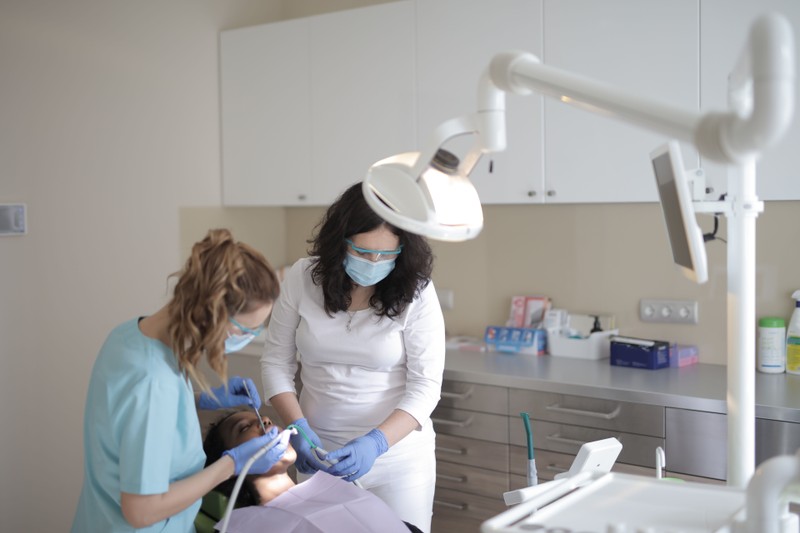
The surroundings of a dental clinic can affect anxiety levels before treatment even starts. Lighting, noise, waiting time, staff communication, and the overall pace of the appointment all contribute to the patient experience. A calming, organised setting can help reduce stress, while a rushed or noisy environment may heighten it.
This is one reason many patients look for a clinic that emphasises comfort as well as clinical quality. At 39 Heron St, Rugeley, GB, patients may wish to ask about the clinic’s approach to nervous patients, appointment planning, and comfort measures. Practical factors such as location and accessibility also matter. A nearby clinic may reduce travel stress, but a patient may still prioritise a setting where they feel understood and supported. Balancing convenience, trust, and comfort is an important part of making the right choice.
Ask about pain management and treatment options
Fear of pain remains one of the most common reasons for avoiding the dentist. Modern dentistry offers a range of pain management options, but patients are not always aware of them. Asking how discomfort will be minimised can reduce uncertainty and make treatment feel more approachable.
There can be tradeoffs between different approaches. For example, numbing techniques may improve comfort during treatment but can leave temporary post-treatment sensations such as heaviness or tingling. Some patients prefer the reassurance of stronger pain control, while others want to minimise lingering numbness. The best choice depends on the procedure, the patient’s medical history, and personal comfort level.
Being informed matters because anxiety often grows in the absence of clear expectations. When patients understand what they are likely to feel, how long treatment may take, and what recovery will involve, the unknown becomes more manageable.
Break larger treatment plans into smaller steps
For patients who have delayed care, the thought of multiple treatments can feel overwhelming. In these situations, dividing treatment into smaller, manageable stages may help. A check-up and consultation first, followed by one simple procedure at a later visit, can make the overall process feel less intimidating.
The tradeoff is that phased treatment may require more appointments and more scheduling. However, it can also reduce emotional strain and help patients build confidence gradually. For many anxious patients, completing one positive visit changes their expectations and makes the next step easier. This gradual approach is often more sustainable than trying to do everything at once.
Address embarrassment without judgement
Some people avoid the dentist because they feel ashamed of the condition of their teeth or gums. This can be especially true if they have not had a check-up in a long time. Yet embarrassment often creates a cycle: the longer someone delays care, the harder it becomes emotionally to return.
An objective and compassionate dental approach is important here. Dental professionals are there to assess, treat, and support oral health, not to criticise. Patients benefit when they focus on the practical goal of improving their dental health rather than on self-judgement. The challenge is emotional, not rational, and it may take encouragement and a positive first experience to break the cycle.
Build confidence through preventive care
Routine cleanings and regular check-ups may be one of the best long-term strategies for reducing dental anxiety. Short, predictable visits can help patients become more familiar with the setting and the team. Over time, this can replace fear of the unknown with a sense of routine.
There is an important long-term tradeoff to consider. Preventive appointments require commitment even when no urgent problem exists, but they often reduce the chance of needing more invasive treatment later. This has a direct impact on comfort, cost, and oral health outcomes. In other words, the effort involved in regular visits may lead to fewer stressful experiences in the future.
Know when additional support may help
For some individuals, dental anxiety is severe enough that self-help strategies alone may not be sufficient. If panic symptoms, sleeplessness before appointments, or complete avoidance are ongoing issues, it may be worth discussing additional support. This could include extra consultation time, more gradual appointments, or advice from a healthcare professional if anxiety is affecting broader wellbeing.
The challenge with seeking more support is that it can feel like an extra step, especially when someone is already overwhelmed. However, acknowledging the seriousness of the anxiety can be a strength rather than a setback. The right level of support may make dental care realistic again and protect both oral health and quality of life.
Questions to ask before your next appointment
If you want a more comfortable experience, it can help to ask a few practical questions when booking or confirming your visit:
What can the clinic do to support nervous patients?
Can the appointment include time to talk before treatment starts?
Is it possible to agree on a stop signal?
What options are available for managing discomfort?
Can treatment be broken into shorter or simpler visits if needed?
These questions help turn a passive experience into a collaborative one. They also encourage better decisions by making comfort part of treatment planning rather than an afterthought.
Making a calm and informed choice
Learning how to overcome dental anxiety is rarely about finding one perfect solution. It is usually about combining several small strategies: choosing the right appointment time, speaking openly, using relaxation techniques, planning breaks, understanding pain management, and working with a supportive dental team. Different approaches have different benefits and limitations, and what works best may vary from one patient to another.
The key is to consider the impact of each decision on both immediate comfort and long-term oral health. Avoidance may offer temporary relief, but supportive and well-planned dental care is more likely to protect wellbeing over time. A family-focused clinic with a calm environment, comprehensive services, and an emphasis on patient comfort can help make that process easier for patients of all ages.
For anyone feeling uncertain about their next visit, the most useful first step may be the simplest one: start the conversation. When anxiety is acknowledged and addressed thoughtfully, a dentist appointment can become far more manageable than expected.
About Business
Serenity Dental Care📍 39 Heron St, Rugeley, GB
Learn more about us at: Serenitydentalcare.co.uk