Why Family Dental Check-Ups Matter at Every Age
A family dental check-up is more than a quick look at teeth. It is a structured visit designed to monitor oral health, prevent future problems, and help patients of all ages feel informed and comfortable. For children, check-ups support healthy development and early habit-building. For teenagers, they help track orthodontic needs, wisdom teeth concerns, and sports-related dental risks. For adults, regular visits often focus on prevention, gum health, and maintenance of existing dental work. For older adults, they may also include dry mouth management, tooth wear, and restorative care planning.
At a family dental clinic, the goal is to make this experience practical, reassuring, and efficient for everyone. A calm, patient-focused setting can reduce anxiety, improve communication, and encourage regular attendance. That matters because many common dental issues, such as gum disease, tooth decay, enamel erosion, and bite changes, often begin quietly and become more complex if left unchecked.
Patients visiting a dental clinic at 39 Heron St, Rugeley, GB can benefit from understanding each stage of the process in advance. Knowing what to expect at a family dental check-up can help children feel less nervous, help adults prepare the right questions, and support better decisions about treatment timing, prevention, and long-term oral health.
Before the Appointment: Preparation Can Shape the Experience
A calm dental visit often begins before anyone sits in the treatment chair. Preparation helps the dental team work more efficiently and gives patients a greater sense of control. New patients may be asked to complete a medical history form, list current medications, and describe any symptoms such as tooth pain, bleeding gums, jaw discomfort, or sensitivity to hot and cold foods.
For families, it can help to gather information in advance, including previous dental records, orthodontic history, allergy details, and insurance or payment information if relevant. Parents may also want to prepare young children by describing the visit in simple, positive language. Rather than promising that “nothing will happen,” it is often more helpful to explain that the dentist will count teeth, look at the gums, and make sure everything is growing well.
There is a practical tradeoff here. A highly detailed intake process can feel time-consuming, especially for busy families, but it also allows the dental team to spot risk factors that might influence care. For example, certain medications can affect gum health, and some medical conditions may increase the need for preventive monitoring. Taking time upfront can lead to safer, more tailored treatment later.
Step 1: Check-In and Welcome
When patients arrive for a family dental check-up, the first step is usually check-in. This may involve confirming personal details, reviewing health information, and discussing the reason for the visit. In a patient-focused environment, this stage is also an opportunity to mention concerns such as nervousness, a child’s previous bad experience, changes in oral comfort, or difficulty brushing certain areas.
This first interaction may seem minor, but it sets the tone for the appointment. A calm welcome can help reduce stress, especially for younger patients or anyone who has avoided the dentist for a long time. It can also improve communication, which is one of the most important factors in successful dental care. The more clearly patients describe symptoms and goals, the more precisely the dental team can respond.
One challenge for any dental clinic is balancing efficiency with personal attention. Families often appreciate shorter waiting times, but rushed conversations can lead to missed details. A thoughtful approach aims to respect both needs: keeping the visit organised while still making space for questions and reassurance.
Step 2: Initial Conversation About Oral Health Concerns
Before the examination begins, a dentist or hygienist may ask about brushing and flossing habits, diet, sensitivity, pain, cosmetic goals, or previous treatment experiences. This conversation helps build a fuller picture of oral health beyond what is visible during the exam.
For children, the discussion may include thumb-sucking, dummy use, mouth breathing, teething concerns, or whether adult teeth are erupting on schedule. Teenagers may be asked about orthodontic issues, sports mouthguards, and sugary drinks. Adults may discuss gum bleeding, grinding, clenching, staining, or missing teeth. Older adults may raise concerns about dentures, dry mouth, or difficulties cleaning around bridges or implants.
This step highlights an important principle in family dentistry: not all healthy smiles require the same care plan. A standard approach is efficient, but individualised guidance is often more effective. The challenge is finding the right balance between consistency and personalisation, especially when caring for multiple members of one family with different needs.
Step 3: The Visual Dental Examination
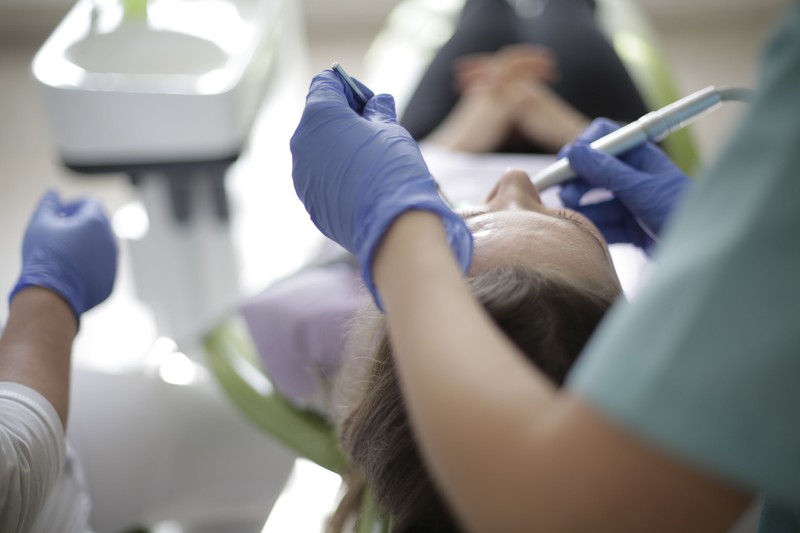
The core of a dental check-up is the visual examination. The dentist will usually inspect the teeth, gums, tongue, cheeks, and other soft tissues of the mouth. They may also assess the bite, jaw function, existing fillings or crowns, and signs of wear or grinding. This is the stage where early clues often appear, including small areas of decay, gum inflammation, enamel erosion, cracked teeth, plaque accumulation, or changes in oral tissue.
For children, the dentist may also monitor how baby teeth and adult teeth are developing, whether there is enough space in the mouth, and whether there are early signs of crowding or alignment issues. For adults, the focus may shift more toward maintenance, prevention of gum disease, and the condition of previous restorative work. In older adults, special attention may be given to root exposure, recession, and the stability of restorations or dentures.
One of the key factors that impacts what to expect at a family dental check-up is the level of detail included in the examination. A quick visual review may be suitable in straightforward cases, but patients with symptoms, complex dental histories, or changing oral conditions may need a more thorough assessment. The tradeoff is that more comprehensive examinations can take longer, but they may reduce the risk of overlooked issues.
Step 4: Dental X-Rays When Needed
Not every check-up includes X-rays, but they are often recommended when the dentist needs to see areas that are not visible during a standard visual exam. X-rays can reveal decay between teeth, bone loss, infection, impacted teeth, developmental concerns, or issues underneath existing restorations.
For children, X-rays may help monitor tooth eruption and spacing. For teenagers, they may show wisdom tooth positioning or support orthodontic evaluation. For adults and older patients, they can be useful for identifying hidden decay, tracking gum disease progression, and evaluating bone support.
There is often a practical balance to consider here. Taking X-rays too frequently may be unnecessary for low-risk patients, while taking them too infrequently can delay detection of problems. A risk-based approach is generally the most sensible, taking into account age, dental history, current symptoms, and clinical findings. This reflects a broader challenge in dentistry: choosing the level of investigation that is proportionate, informative, and patient-centred.
Step 5: Professional Cleaning and Hygiene Assessment
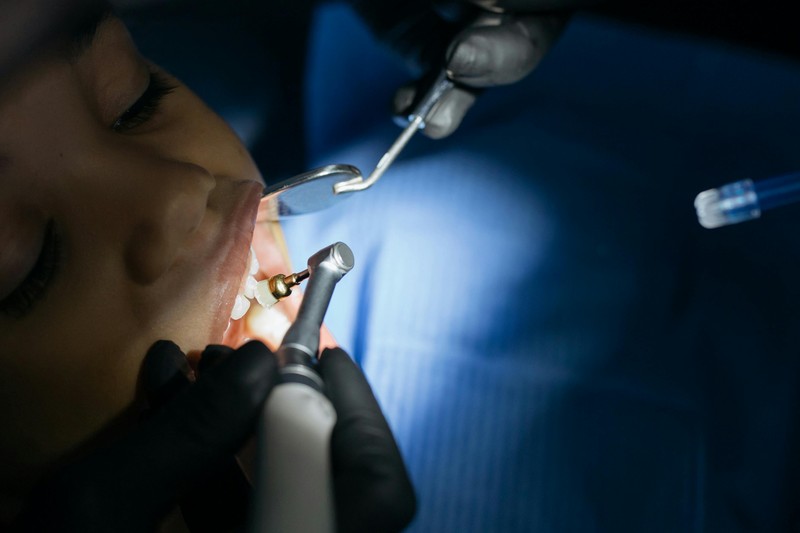
Many family dental check-ups include a scale and polish or a separate hygiene appointment, depending on the patient’s needs. During this part of the visit, plaque and tartar may be removed, tooth surfaces polished, and oral hygiene habits reviewed. The hygienist or dentist may also point out areas that are difficult to clean effectively at home.
This stage is especially important because even good brushing cannot always remove hardened tartar. Professional cleaning helps reduce the risk of gum disease, manage staining, and support fresher breath. For some patients, especially those with sensitive gums or anxiety, this step may be the part they worry about most. A calm explanation and gentle technique can make a significant difference.
The tradeoff in hygiene care often involves intensity versus comfort. A deeper cleaning may be more effective for areas of buildup, but it can feel more uncomfortable for sensitive patients. On the other hand, a lighter cleaning may feel easier in the moment but may not address all areas thoroughly. The best approach depends on the patient’s oral condition, tolerance, and long-term health priorities.
Step 6: Gum Health Checks and Why They Are So Important
Gum health is a major part of any dental check-up, yet it is often underestimated by patients. During the appointment, the dental team may look for redness, swelling, bleeding, gum recession, and signs of periodontal disease. In some cases, they may measure the spaces between the teeth and gums to evaluate the health of the supporting structures.
This is important because gum disease can progress quietly. Early-stage gingivitis may be reversible with better cleaning and professional support, but advanced periodontal disease can affect bone support and tooth stability. Adults are especially at risk, but gum concerns can affect patients of various ages.
One challenge in family dental care is that gum disease prevention depends heavily on home care. Even the most thorough dental check-up cannot replace consistent brushing, interdental cleaning, and regular attendance. This is why education is such a central part of the appointment. Clinical treatment and patient habits must work together for the best results.
Step 7: Bite, Jaw, and Functional Assessment
A comprehensive dental check-up may also include looking at how the teeth come together, whether the jaw opens and closes comfortably, and whether there are signs of clenching or grinding. Patients sometimes assume a dental exam is only about cavities, but function matters too. Headaches, jaw soreness, clicking sounds, worn enamel, and cracked fillings can all relate to bite or jaw issues.
For children, the dentist may observe how the bite is developing and whether early orthodontic intervention may be helpful. For adults, the focus may include tooth wear, stress-related grinding, or muscle tension. Addressing these issues early can prevent bigger restorative needs later.
There is often a decision-making tradeoff here. Monitoring a mild functional issue may be appropriate when symptoms are limited, but active intervention may be better when wear or discomfort is increasing. Choosing between observation and treatment requires careful judgement, especially when the goal is to avoid unnecessary intervention while still protecting long-term oral health.
Step 8: Discussion of Findings and Treatment Recommendations
After the examination, the dentist will usually explain what they found. This may include reassurance that everything looks healthy, or it may involve discussing issues such as early decay, inflamed gums, alignment concerns, or the need to repair older restorations. If treatment is recommended, the dentist may outline the options, likely timescale, and expected benefits.
This is one of the most important moments of the visit because it turns information into action. Patients should feel able to ask questions such as: Is this urgent? What happens if I wait? Are there preventive alternatives? What are the pros and cons of each option? An informative and objective explanation helps patients make confident decisions.
Tradeoffs are common in treatment planning. A conservative option may preserve more natural tooth structure but require closer monitoring. A more comprehensive treatment may offer longer-term stability but involve more time and cost. Cosmetic improvements can enhance appearance and confidence, but they must be balanced against oral health priorities. There is rarely a single perfect answer for every patient; the best decision usually reflects health needs, comfort, budget, timing, and personal goals.
Step 9: Preventive Advice Tailored to the Patient
A high-quality family dental check-up should include practical prevention advice, not just diagnosis. This may cover brushing technique, fluoride use, flossing or interdental brushes, dietary habits, mouthguards, or strategies for reducing sensitivity. For parents, the dentist may explain how to supervise brushing, choose age-appropriate toothpaste, and manage sugary snacks and drinks.
Tailored advice matters because prevention is not one-size-fits-all. A child who is still learning to brush needs different guidance from an adult with gum recession or an older patient managing dry mouth. The challenge for the dental team is making this advice simple enough to follow while still being specific enough to be useful.
There is also an important behavioural factor at play. The most detailed advice in the world will have little effect if it feels unrealistic or overwhelming. Effective prevention planning usually works best when it focuses on a few manageable changes that fit the patient’s routine.
Step 10: Planning Follow-Up and Future Appointments
At the end of the appointment, the dental team will usually recommend when to return. For some patients, this may be a standard routine recall. For others, especially those with gum concerns, high decay risk, orthodontic monitoring needs, or ongoing restorative treatment, more frequent visits may be advised.
Deciding how often to attend is another area where balance matters. More frequent reviews can help catch problems early and support patients with active needs, but they also require more time and planning. Longer gaps may seem convenient, but they can increase the chance that small issues become more difficult and expensive to manage. A risk-based schedule is generally the most sensible approach.
For families, coordinating multiple appointments can be challenging. However, regular attendance often becomes easier once patients understand the structure and value of the check-up process. Predictability tends to reduce anxiety, especially for children.
What Children Can Expect at a Family Dental Check-Up
Children benefit when dental visits feel familiar, calm, and positive. At a family dental clinic, a child’s check-up may involve counting teeth, looking at how the mouth is developing, checking brushing effectiveness, and discussing snacks or drinks that affect dental health. The tone used by the dental team can make a major difference. Clear, age-appropriate explanations often help children cooperate and build trust.
One challenge in paediatric dentistry is balancing thorough examination with emotional comfort. A very detailed approach may be clinically useful, but if it overwhelms a child, it can create future fear. On the other hand, moving too quickly to keep a child relaxed may limit what can be assessed. Experienced family dental teams usually aim for a gradual, confidence-building approach that supports both comfort and care quality.
Parents also play a key role. Their attitude can influence how a child perceives the visit. Staying calm, avoiding negative language, and treating check-ups as a normal part of health care can support a better experience.
What Teenagers and Adults Can Expect
For teenagers, dental check-ups often focus on changing oral health needs. This can include orthodontic assessment, monitoring of wisdom teeth, sports protection, enamel wear from acidic drinks, and reinforcement of daily hygiene habits. Teenagers may also appreciate being spoken to directly about their own health choices, which can encourage responsibility and confidence.
Adults may find that routine check-ups become more preventive and maintenance-focused over time. Existing fillings, crowns, gum health, grinding, stress-related issues, staining, and restorative decisions often become more relevant. Some adults also use check-ups as an opportunity to explore cosmetic dentistry, such as whitening or smile improvements, while ensuring the underlying oral health is stable.
The tradeoff for many adults is balancing ideal care with practical realities such as time, cost, and competing priorities. Delaying treatment can seem convenient in the short term, but preventive care is usually simpler and less disruptive than managing advanced problems later.
What Older Adults May Need During a Check-Up
Older adults may have oral health considerations that require a more tailored approach. These can include dry mouth linked to medication, gum recession, root decay, tooth wear, reduced dexterity affecting cleaning, and maintenance of dentures, bridges, crowns, or implants. A family dental check-up for older patients should take comfort, function, and long-term maintenance into account.
One challenge is that oral health in later life is often connected to broader health factors. Medical conditions, prescriptions, and mobility issues can all affect what type of dental care is most practical and beneficial. The most effective approach is usually one that considers the whole person, not just the teeth.
This is also where a calm, patient-focused environment becomes especially important. Clear communication, realistic recommendations, and respectful pacing can help older adults feel more comfortable participating in treatment decisions.
Managing Dental Anxiety in a Family Setting
Dental anxiety affects both children and adults, and it can shape what to expect at a family dental check-up as much as the clinical steps themselves. A serene atmosphere, calm communication, and a respectful pace can improve the experience significantly. Patients who feel heard are often more likely to return regularly and accept preventive care early, before problems escalate.
There is a careful balance to maintain when supporting anxious patients. Moving too quickly can increase stress, but over-accommodating anxiety without completing necessary assessments may delay care. The best approach often combines empathy with gentle structure: explaining each step clearly, allowing questions, and agreeing on manageable goals for the visit.
For families, it is worth remembering that anxiety can be contagious. If one family member is very tense, younger children may notice. A steady, matter-of-fact attitude often helps everyone feel more at ease.
The Role of Environment in Patient Comfort and Decision-Making
The physical and emotional environment of a dental clinic can have a real effect on the quality of the visit. Lighting, noise levels, staff communication, waiting times, and the general pace of the appointment all influence how patients feel. In a calm setting, people are often better able to listen, ask questions, and make informed choices about treatment.
This is especially relevant when discussing more complex services such as restorative treatments, orthodontics, cosmetic dentistry, or emergency dental care. Patients are more likely to weigh tradeoffs carefully when they do not feel rushed or overwhelmed. Comfort does not replace clinical quality, but it supports better engagement with it.
For a family dental clinic, this means the ideal check-up experience is not only clinically thorough but also emotionally manageable. That combination can improve attendance, trust, and long-term oral health outcomes.
How Family Check-Ups Support Wider Health and Wellness
Routine dental check-ups contribute to more than clean teeth. Oral health is connected to eating, speaking, confidence, sleep, and overall wellbeing. Problems such as pain, infection, poor chewing ability, and advanced gum disease can affect daily life significantly. Regular dental reviews help reduce the likelihood of these issues by identifying concerns early.
There is also a broader preventive value. Early intervention typically offers more options, less invasive treatment, and lower risk of complications. That does not mean every small issue must be treated immediately in the same way, but it does mean informed monitoring has value. Prevention is often a balance between acting early enough to avoid harm and avoiding overtreatment where careful observation is more appropriate.
For patients and families in Rugeley, understanding this balance can make routine attendance feel more meaningful. A dental check-up is not just a task to complete; it is a practical investment in comfort, function, and long-term health.
Questions Patients May Want to Ask During a Check-Up
To make the most of a family dental check-up, patients may find it useful to ask a few simple but important questions. These might include: Am I brushing effectively? Are there any early signs of decay or gum disease? Do I need X-rays today? Is there anything to monitor before my next visit? Are there options if I am nervous about treatment? What preventive steps would make the biggest difference for me or my child?
These questions help turn the appointment into a collaborative process rather than a one-way assessment. They also support more informed decisions, especially when different treatment paths involve different costs, timescales, and benefits.
A Calm, Step-by-Step Approach to Better Dental Visits
Knowing what to expect at a family dental check-up can make the experience feel more manageable for patients of all ages. From check-in and conversation to examination, cleaning, prevention advice, and follow-up planning, each stage plays a role in supporting healthy teeth and gums. The exact details may vary depending on age, symptoms, and dental history, but the underlying purpose remains the same: early detection, prevention, education, and informed care.
For patients seeking a dental clinic at 39 Heron St, Rugeley, GB, a calm and patient-focused environment can make this process easier to navigate. The most effective family dental care combines clinical thoroughness with clear communication and a genuine understanding of individual needs. That is especially valuable when balancing comfort, efficiency, prevention, and long-term treatment decisions.
At its best, a family dental check-up is not something to fear or rush through. It is a structured, supportive opportunity to protect oral health, address concerns early, and build confidence in dental care over time.
For those looking for a setting that values comfort alongside comprehensive oral health services, Serenity Dental Care reflects this patient-focused approach through routine check-ups, preventive support, and tailored treatment planning for every stage of life.
About Business
Serenity Dental Care📍 39 Heron St, Rugeley, GB
Learn more about us at: Serenitydentalcare.co.uk